Product direction
Category and portfolio mix
Business is the main category at about 40% of apps, while the portfolio spans 3 categories. This is a relatively diversified portfolio strategy.
- Business
- 2 apps · 40%
- Travel
- 2 apps · 40%
- Reference
- 1 apps · 20%
- The primary category Business accounts for 40%. The category structure is relatively narrow.
- The diversification score is about 0.64 (0=highly concentrated, 1=highly diversified), useful for comparing developers.
Portfolio data
Scale and monetization structure
The full portfolio has about 104 public ratings, a small public review base. It includes 5 free apps and 0 paid apps.
- Apps
- 5
- Total ratings
- 104
- Free / paid
- 5 / 0
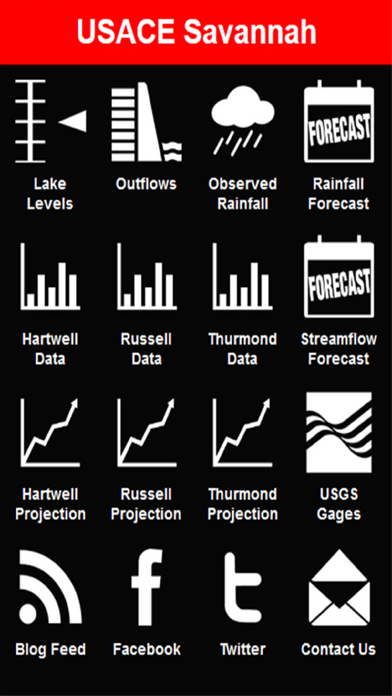
- By review volume, the leading apps include: "USACE Little Rock", "USACE Tulsa", "USACE Savannah".
- The visible list is free or priced at 0. Monetization may rely on subscriptions, ads, or in-app purchases; verify on the store page.
Ratings and reputation
Weighted average and head effects
Weighted by rating volume, the portfolio averages about 2.03 stars; the simple average is 2.25 stars. The gap shows whether high-volume apps lift or drag the overall reputation.
- Weighted avg
- 2.03 ★
- Simple avg
- 2.25 ★
- The weighted and simple averages differ meaningfully, indicating that high-review apps strongly shape perception.
- 1 apps have no public rating data, so long-tail performance is underrepresented.
Reputation risk proxy
Low ratings and thin samples (API has no review text)
The iTunes Search API does not provide review text. This card uses low star ratings with enough review volume as a proxy, and separately highlights apps with thin samples.
- No app triggered the low-rating plus sufficient-sample threshold.
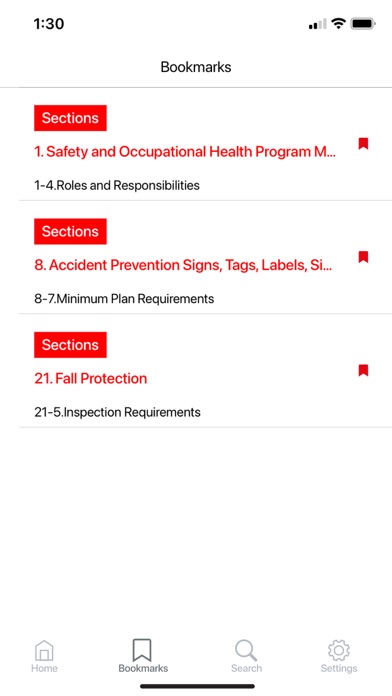
- Thin rating samples (under 50 ratings): "EM 385-1-1 2024 Manual", "USACE Savannah", "USACE Tulsa". Star ratings can swing heavily until more feedback arrives.
Release and lifecycle
Listing age span
The earliest listed app is "USACE Little Rock", while the newest or most recent listing signal is "Mark Twain Lake - USACE". The span is a proxy for long-term iteration capacity.
- Span
- 3 years+
- Earliest record in this dataset: 2013 (USACE Little Rock).
- Newer app signal: 2016 (Mark Twain Lake - USACE).
Reference points for builders
Reusable research angles
These takeaways are based on public metadata and are useful for competitor research or portfolio planning. Deeper conclusions require downloads, revenue, and review text.
- Study the category mix: 3 categories show whether a main-category plus extension structure matches your resources.
- Compare reputation structure: weighted 2.03 stars vs. the leading app "USACE Little Rock" and its review volume.
- For similar tools, prioritize review mining on lower-rated apps to find functional gaps; this requires store reviews or third-party data.
Rule-based cards use iTunes Search API data. DeepSeek generates its readout from the same public data and should be treated as directional research.